Environmental Education
Learning with the hands, heart and head is a holistic way of creating bonds of care and empathy with nature.
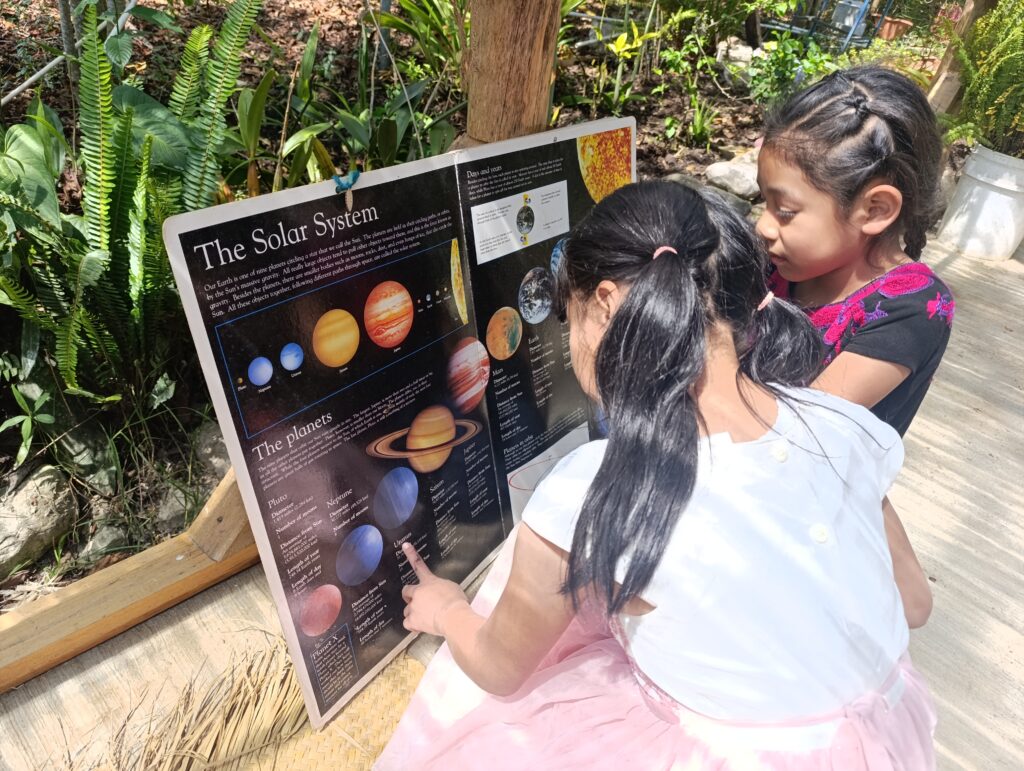
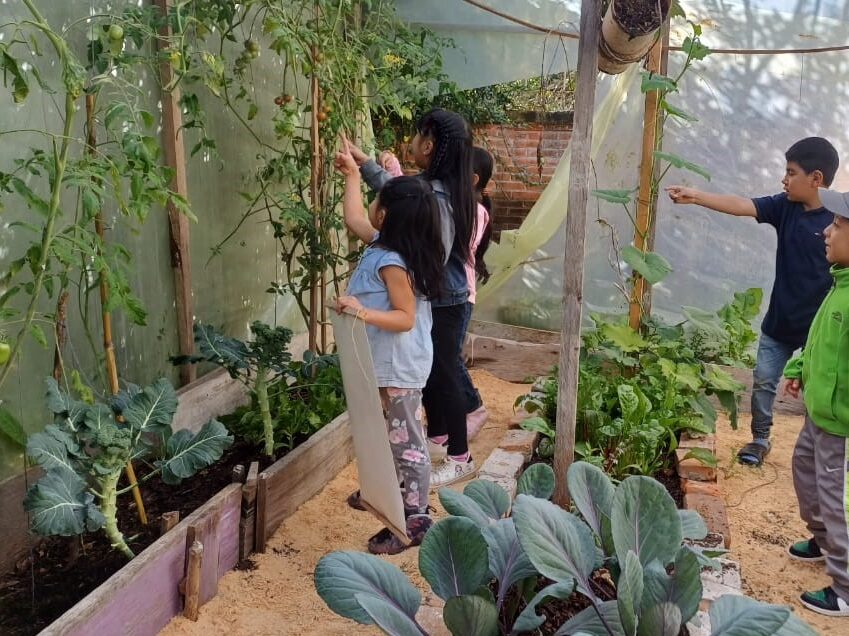
When learning happens outside, in the middle of nature, an interdisciplinary education is not only possible, but inevitable. Beyond the four walls of a classroom, children can get involved mentally, physically and emotionally in nature’s infinite learning opportunities.
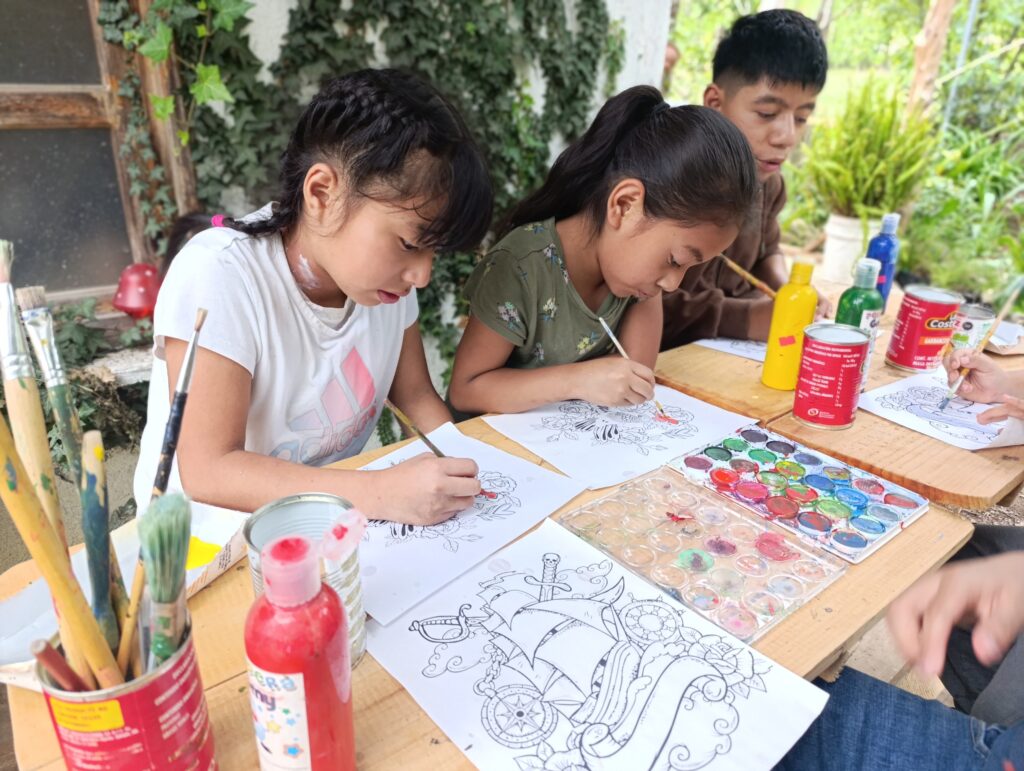
Biology, physics, geography, art, maths, social science and many more topics come together in a freer, fun, more complex and complete way.
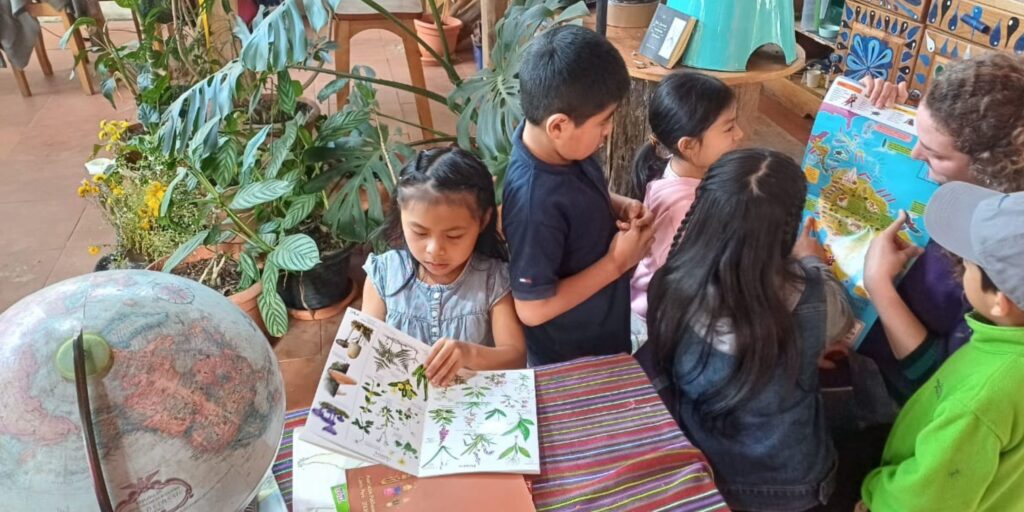
Environmental education develops the study of local places, such as the biosphere and the ecosystem that children call home. Additionally, it develops the skills to understand the larger context of the world’s many habitats, species, biodiversity, climates and cultures.
Understanding our belonging to the earth makes children deepen their roots and grow their wings.
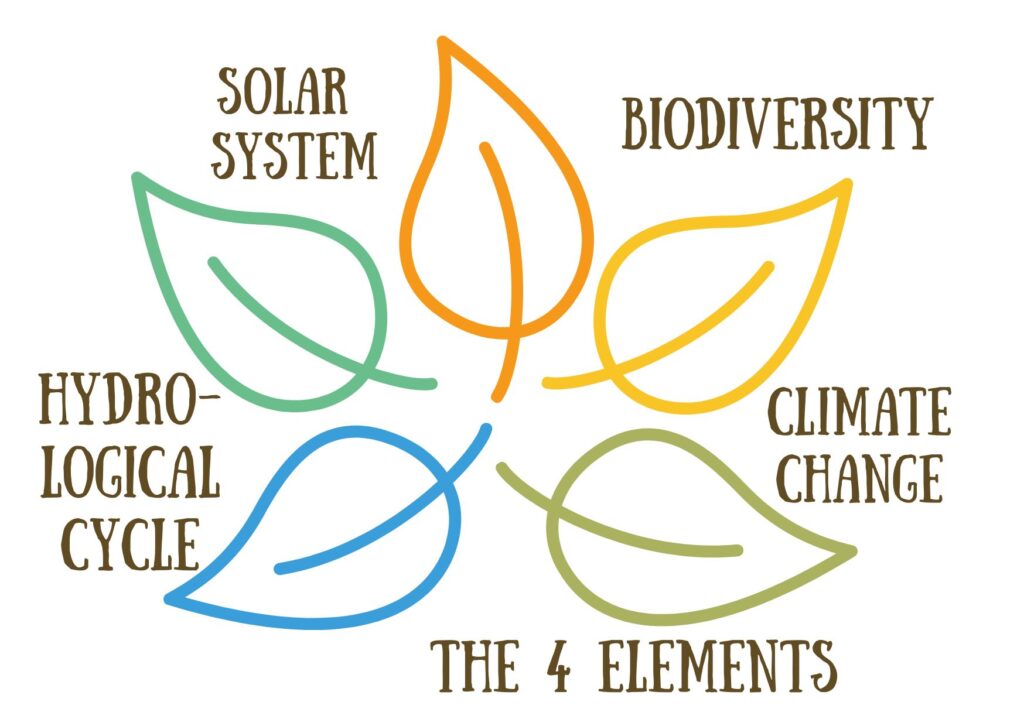
In our environmental education workshops, we study the most microscopic, from insects and seeds, to the most enormous, planets and space.
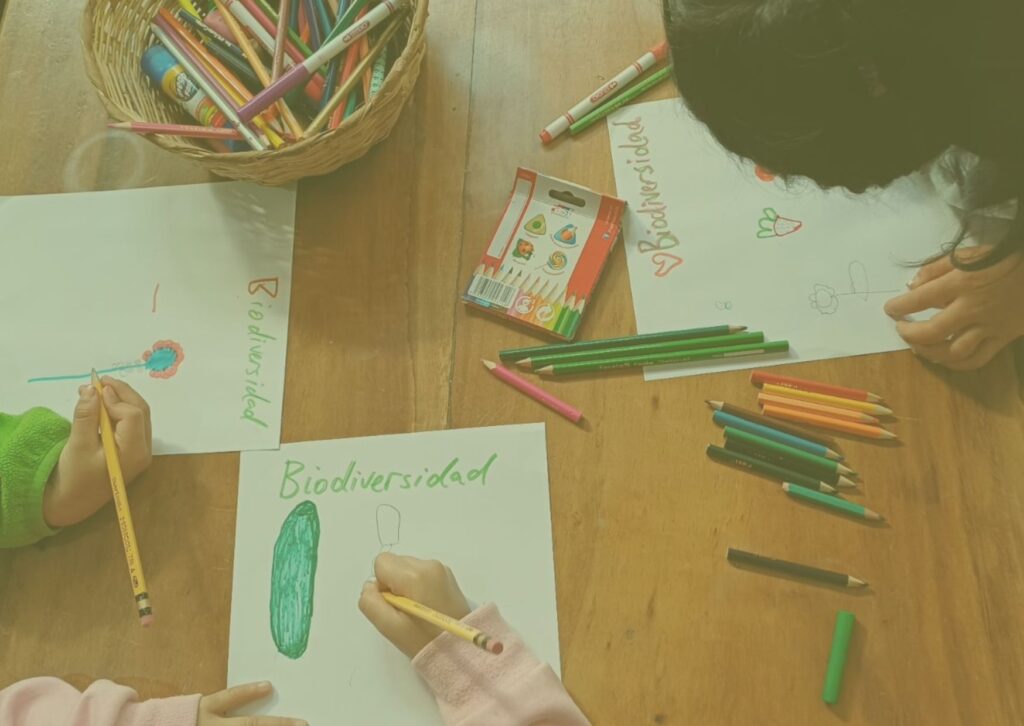
Understanding the scale and abundance of living things in all their diversity creates harmony and mutual respect between humanity, botany and the animal kingdom.
We join the growing wave of education for sustainable development. This pedagogical approach seeks to strengthen and deepen students’ abilities to create solutions for a healthier and happier future. We see it interwoven with older ways of thinking about holistic education and linked to the love of nature, such as Froebel, Dewey, Steiner and Montessori.
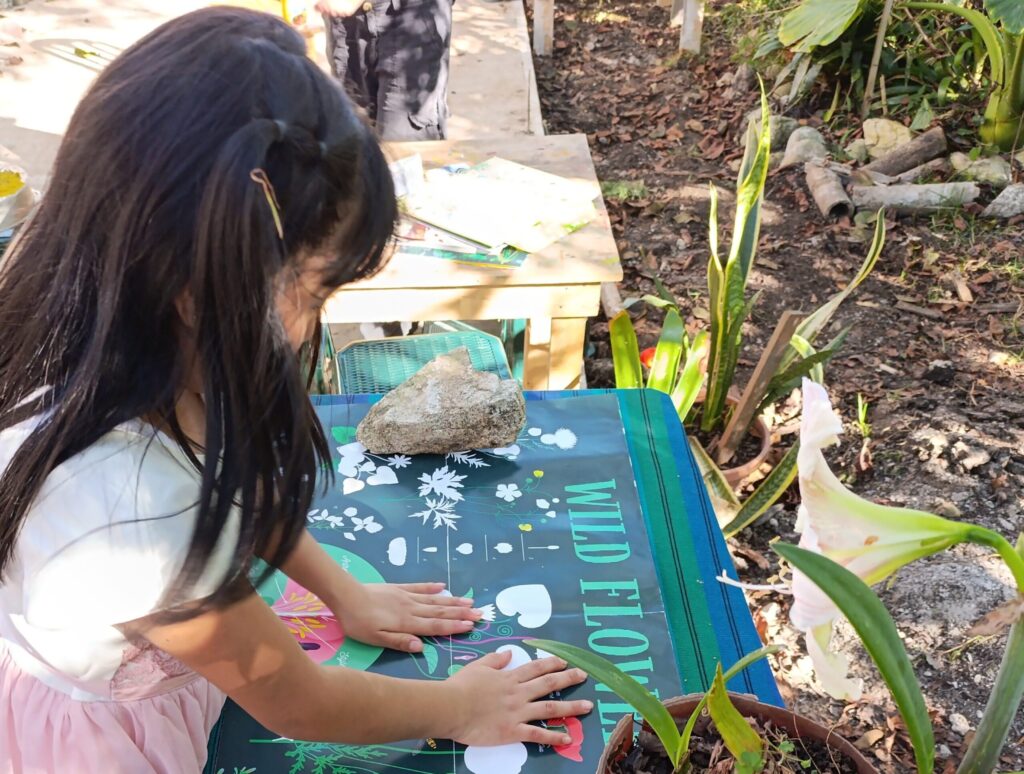
Additionally, we draw inspiration from Traditional Ecological Knowledge, indigenous and ancestral wisdom passed down generation after generation and an important source of understanding our interconnection with all living beings with whom we share the Earth.